Why Art Behaves Nothing Like a Stock Portfolio
Fine art has become a serious asset class for wealthy families, and the numbers explain why. The global art market moves tens of billions of dollars a year, the top auction houses regularly produce nine-figure sales, and the wealthiest collectors treat their holdings as part of a diversified portfolio rather than as a hobby. But art is not a stock, a bond, or a piece of real estate, and the families who succeed with it are the ones who understand how differently it behaves. There is no dividend, no coupon, no rent, and no earnings report. The value of a painting is determined by what a small number of motivated buyers are willing to pay on a given day, and that value can change dramatically based on factors that have nothing to do with the artist’s talent.
The illiquidity is the first thing to understand. A blue-chip painting can take months or years to sell, and the process involves consigning to an auction house or working with a dealer, both of which take a significant cut. The transaction costs are high, often twenty percent or more between buyer’s premium and seller’s commission, and those costs can wipe out years of appreciation. A family that buys art expecting to sell it quickly will usually be disappointed. Art is a long-term asset, and the families who do well with it are the ones who plan to hold for a decade or more.
The second thing to understand is that art is not a uniform market. The market for Old Masters behaves differently from the market for Impressionist and Modern art, which behaves differently from the market for Post-War and Contemporary, which behaves differently from the market for ultra-contemporary work by artists under forty. Each segment has its own buyer pool, its own price trends, and its own risks. A family that buys in one segment without understanding its dynamics may find that the work does not appreciate as expected, or that it cannot be sold when the family wants to exit.
The third thing to understand is that art has a consumption value that financial assets do not. A painting on the wall provides aesthetic pleasure, social status, and cultural capital, and those benefits are real even if the financial return is modest. Many collectors would argue that the enjoyment of living with great art is worth more than the return, and that the financial performance is a bonus rather than the primary goal. That is a legitimate perspective, but it should be an explicit choice rather than an unexamined assumption. Fine art investment works best when the family is clear about which benefits it is seeking, because the strategies that maximize financial return are not always the ones that maximize enjoyment.
Building a Collection With a Coherent Strategy
The most successful collections are not assembled randomly. They have a clear thesis, whether that is a focus on a particular movement, a particular region, a particular medium, or a particular period. A collection with a coherent thesis is more valuable than a collection of unrelated works, because it tells a story and attracts a specific group of buyers when it comes time to sell. A collection of blue-chip Contemporary art is a different asset from a collection of emerging artists, and a collection of photography is a different asset from a collection of paintings. The family should decide what kind of collection it wants to build before it starts buying.
The thesis should be driven by the family’s genuine interests, not by market forecasts. A family that collects what it loves will enjoy the collection regardless of its financial performance, and it will be more likely to hold the works long enough to realize their value. A family that collects based on what is fashionable may find that its collection loses value when the fashion changes, and it may be tempted to sell at the wrong time. The best collections are built by people who are genuinely passionate about the art, and the financial performance is a byproduct of their expertise and their patience.
The sourcing strategy is the next consideration. A family can buy at auction, from a dealer, from a private seller, or from an artist’s studio. Each channel has its own advantages and disadvantages. Auctions offer transparency and the possibility of a bargain, but the competition can be fierce and the buyer’s premium adds to the cost. Dealers offer expertise and access, but the markup can be significant and the transparency is limited. Private sales offer discretion, but the due diligence burden falls entirely on the buyer. The family should understand the channel it is using and should work with advisors who have experience in that channel. Art investment strategies should account for the sourcing channel, because the cost and the risk vary significantly.
The collection should also be diversified. A family that puts all its art capital into a single artist or a single movement is taking a concentrated bet, and that bet can go wrong. A diversified collection spreads the risk across artists, movements, and time periods, which reduces the impact of any single work’s performance. The diversification should be consistent with the thesis, not a random assortment, but it should be broad enough to protect the family if one segment of the market underperforms.
Understanding Value: Provenance, Condition, and Market Position
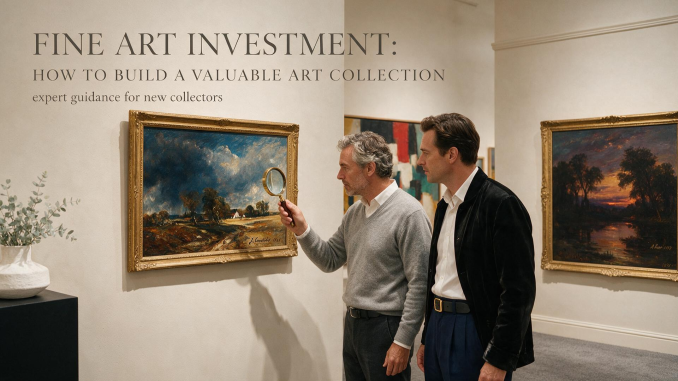
The value of a work of art is determined by a combination of factors, and the family should understand each of them before making a purchase. Provenance is the history of ownership, and it is one of the most important factors. A work that has been in a prestigious collection, that has been exhibited in major museums, and that has been included in scholarly publications is more valuable than a work with a thin or questionable provenance. A work with a gap in its ownership history may be difficult to sell, especially if the gap coincides with a period of Nazi looting or other historical trauma. The family should research the provenance carefully and should be wary of any work with an incomplete history.
Condition is the second factor. A work that is in excellent condition is more valuable than one that has been damaged, restored, or altered. The family should commission a condition report from a qualified conservator, and it should understand the implications of any restoration or repair. A work that has been heavily restored may be worth significantly less than one that is pristine, and the cost of conservation should be factored into the purchase decision. Investing in valuable artwork requires a clear understanding of condition, because a work that looks beautiful on the wall may be a liability underneath.
Market position is the third factor. A work by an artist who is at the peak of their market is more valuable than one by an artist who is emerging or declining. The family should understand the artist’s market, including the prices their works have achieved at auction, the demand from museums and collectors, and the trajectory of their career. An artist who is having a major museum retrospective is likely to see increased demand, while an artist who has fallen out of favor may see prices decline. The family should track the artist’s market over time and should be prepared to adjust its expectations as the market changes.
The fourth factor is rarity. A unique work is more valuable than one of many, and a work from a particularly important period or series is more valuable than one from a less significant period. The family should understand the artist’s body of work and should know which works are considered the most important. A work that is one of a series of similar pieces may be less valuable than one that is a singular masterpiece, even if the two are by the same artist.
Due Diligence, Authentication, and the Risks of Forgery
The art market has a forgery problem, and the family should take steps to protect itself. The first step is to verify the work’s authenticity, which typically involves a combination of provenance research, scientific analysis, and expert opinion. The family should work with a qualified authenticator, and it should be wary of any work that lacks a clear chain of ownership or that has been rejected by a recognized authority. The cost of authentication is small relative to the value of the work, and the consequences of buying a forgery can be severe.
The second step is to verify the seller’s title. A work that has been stolen, looted, or subject to a claim of ownership may be subject to seizure, even if the family bought it in good faith. The family should research the work’s history and should check the relevant databases, including the Art Loss Register and the databases maintained by law enforcement agencies. It should also work with legal counsel who is experienced in art law, because the rules vary significantly by jurisdiction.
The third step is to understand the contractual terms. A purchase agreement should specify the work’s provenance, its condition, its authenticity, and the seller’s representations and warranties. It should also specify the remedies if the work turns out to be misrepresented, including the right to rescind the sale and recover the purchase price. The family should not rely on a handshake or a verbal agreement, even with a trusted dealer, because the stakes are too high. Fine art market analysis should include a legal review, because the risks are not just financial. They are also reputational and legal.
The fourth step is to insure the work properly. A fine art policy should cover the work’s full value, including the cost of restoration and the loss of market value if the work is damaged. The policy should also cover the work while it is in transit, on loan, or in storage. The family should work with an insurance advisor who specializes in fine art, and it should review the policy annually to ensure that the coverage is adequate.
Storage, Display, and the Cost of Ownership
Art is not a passive asset. It requires proper storage, display, and conservation, and those costs can be significant. A work that is displayed in a home needs the right climate, lighting, and security, and those requirements may require a dedicated space. A work that is stored needs a climate-controlled facility, and those facilities charge fees based on the value and the size of the work. A work that is loaned to a museum needs insurance, shipping, and handling, and those costs are typically borne by the owner.
The family should budget for those costs, because they can add up to a significant percentage of the collection’s value each year. A collection worth fifty million dollars may cost several hundred thousand dollars a year to insure, store, and maintain, and those costs should be factored into the investment analysis. The family should also consider the tax implications of those costs, because some of them may be deductible and others may not.
The family should also consider the collection’s role in its estate plan. Art can be a significant part of a family’s wealth, and it should be addressed in the estate plan alongside the other assets. A collection that is left to heirs may be subject to estate tax, and the heirs may not have the resources to pay the tax without selling the works. A collection that is donated to a museum may generate a tax deduction and a lasting legacy, but it may also mean that the family loses the works. The family should consider those options before the estate plan is finalized. Art portfolio management should include estate planning, because the two are closely connected.
The family should also consider the collection’s role in its broader wealth strategy. Art is an alternative asset, and it should be sized appropriately within the family’s portfolio. A family that puts too much of its wealth into art may find that it is overexposed to a single, illiquid asset class, and that the collection is difficult to sell when the family needs liquidity. A family that puts too little into art may miss the diversification benefits that art can provide. The right allocation depends on the family’s goals, its risk tolerance, and its time horizon.
Common Mistakes and the Long View
The most common mistake is buying on emotion. A family that falls in love with a work may overlook its flaws, overpay for it, and fail to consider its resale potential. The result can be a collection that is a source of pleasure but not a source of wealth. The family should approach the purchase with discipline, and it should be prepared to walk away if the work does not meet its criteria.
Another common mistake is failing to diversify. A family that puts all its art capital into a single artist or a single movement is taking a concentrated bet, and that bet can go wrong. The family should spread its risk across artists, movements, and time periods, and it should be prepared to hold the works for the long term.
A third mistake is ignoring the costs of ownership. The purchase price is only the beginning. The family should budget for insurance, storage, conservation, and estate planning, and it should factor those costs into the investment analysis. A collection that looks affordable on paper may be a financial drain in practice, especially if the family does not have the resources to maintain it properly.
Ultimately, building a valuable art collection is a long-term project that requires passion, expertise, and discipline. The families that do it well are the ones that collect what they love, that understand the market, that do their due diligence, and that plan for the long term. Those families tend to find that the collection is both a source of joy and a source of wealth, and that the two are not in conflict. The families that treat art as a quick investment often find that the costs outweigh the benefits. The difference is in the approach, and the approach is what makes the collection valuable.